Exploring Bhutan: The Last Himalayan Kingdom Preserving Happiness and Tradition
Bhutan, a small kingdom tucked between India and China, is one of the world’s most extraordinary travel destinations because it protects something many places have lost—an unbroken connection between heritage, nature and happiness. Often called the “Last Shangri-La,” Bhutan is famous for its philosophy of Gross National Happiness, a development model that prioritizes well-being, environment and culture over pure economic growth.
This philosophy isn’t just a political idea; it is visible everywhere in daily life. From the moment travelers arrive, they notice how the country balances modern needs with traditional values. Roads wind through pristine mountains, villages remain rooted in centuries-old customs, and people greet strangers with a warmth that feels genuine rather than rehearsed.
The landscape is dramatically beautiful. Snow-covered Himalayan peaks dominate the northern horizon, while lush valleys, terraced farmlands and dense forests stretch across the countryside. Bhutan is the world’s first carbon-negative nation, absorbing more carbon dioxide than it emits, and this commitment to environmental preservation is evident in the air’s purity and the abundance of wildlife.
Tigers, red pandas, cranes and Himalayan black bears thrive in protected habitats, making Bhutan one of Asia’s most biodiverse regions. Yet the country’s cultural side is equally striking. Dzongs—large fortress-monasteries—stand proudly across the kingdom, combining intricate woodwork, golden roofs and riverfront locations.
The Punakha Dzong, often described as Bhutan’s most beautiful architectural masterpiece, sits between two rivers and glows golden at sunset. Each dzong still hosts festivals where locals gather in traditional attire, performing rituals and dances that date back hundreds of years.
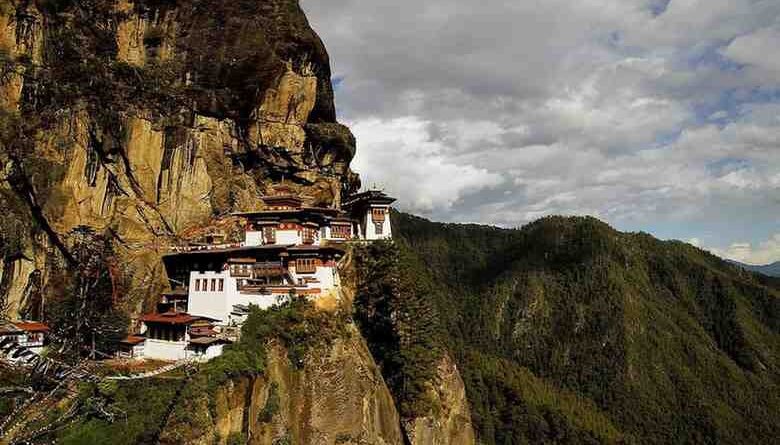
Perhaps the most iconic site in Bhutan is the Tiger’s Nest Monastery, perched dramatically on a cliffside 3,000 feet above the valley floor. Reaching it requires a steep hike, but the journey becomes part of the experience, offering sweeping vistas and moments of reflection.
At the top, the monastery appears almost unreal, clinging to the rock face as if suspended between the sky and earth. Travelers often describe a profound sense of peace upon reaching it—a feeling that aligns with Bhutan’s spiritual essence.
What truly sets Bhutan apart is the way it manages tourism. By limiting traveler numbers and enforcing a sustainable tourism policy, the country avoids overcrowding and ensures that each visitor experiences its authenticity. Unlike destinations overwhelmed by commercialization, Bhutan remains refreshingly untouched. Its villages still cultivate traditional farming practices, its temples maintain ancient teachings, and even its architecture follows strict cultural guidelines.
The result is a journey that feels honest, grounding and deeply human. For travelers seeking more than scenery—for those searching for meaning, tranquility and cultural connection—Bhutan offers a rare and unforgettable escape into a world where happiness is not just measured but lived.