Japan’s Nara Park: Where Ancient Temples and Friendly Deer Create a Timeless Travel Experience
Nara Park in Japan offers one of the most unique travel experiences in the world, where ancient temples coexist seamlessly with free-roaming deer believed to be sacred messengers of the gods. Located just a short train ride from Kyoto and Osaka, Nara provides a peaceful escape into Japan’s cultural heart.
Todai-ji Temple, a UNESCO World Heritage Site, stands as the park’s most iconic monument. Its giant wooden hall, one of the largest on earth, houses the Daibutsu—the Great Buddha—a 15-meter bronze statue that inspires awe in everyone who steps inside. The scale of the temple, combined with its centuries-old architectural precision, reflects Japan’s enduring spiritual legacy.
Yet it is the deer that often steal the spotlight. More than a thousand of them wander freely through the park’s expansive lawns, tree-lined paths and temple entrances. Historically regarded as sacred animals, these deer bow to visitors in exchange for crackers sold around the park.
Their gentle behavior and cultural significance create an interaction that is charming, memorable and distinctly Japanese. For many travelers, feeding the deer becomes one of the highlights of their trip.
Kasuga Taisha Shrine, another treasured landmark within Nara Park, enchants visitors with its thousands of stone and bronze lanterns that line pathways leading to its main sanctuary.
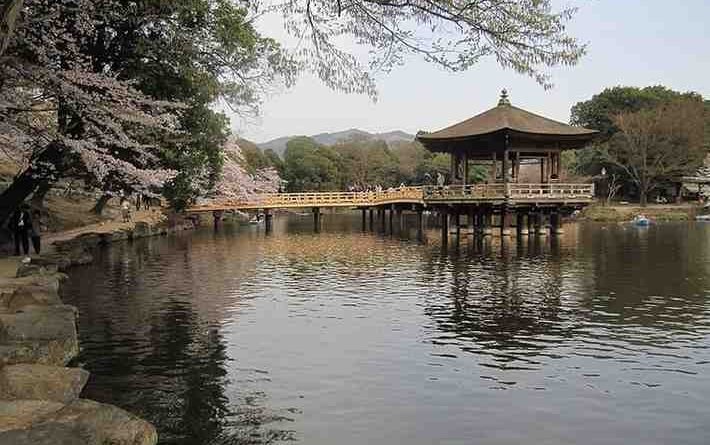
During annual lantern festivals, the entire area glows in a soft, mystical light, offering a glimpse into centuries-old Shinto ceremonies. Surrounding the temples and shrines are tranquil ponds, wide green fields, and forest trails that make Nara Park feel like both a historical site and a natural sanctuary.
The park becomes especially magical during cherry blossom season when delicate pink petals float through the air, forming a soft blanket on the ground. In autumn, fiery red and gold leaves transform the landscape into a painter’s palette. Because Nara is easily accessible yet less crowded than Kyoto, it offers a slower, more reflective travel experience that allows visitors to truly absorb its cultural richness.
Nara Park represents the balance Japan is known for—nature harmonizing with spirituality, history blending with everyday life. Whether you’re standing before the Great Buddha, wandering through lantern-lined paths, or sharing a moment with a bowing deer, Nara leaves an impression that feels timeless and deeply meaningful.